Although the rate is low, the two most important risks that can occur during or after surgery are leakage and embolism (clotting).
Leak:
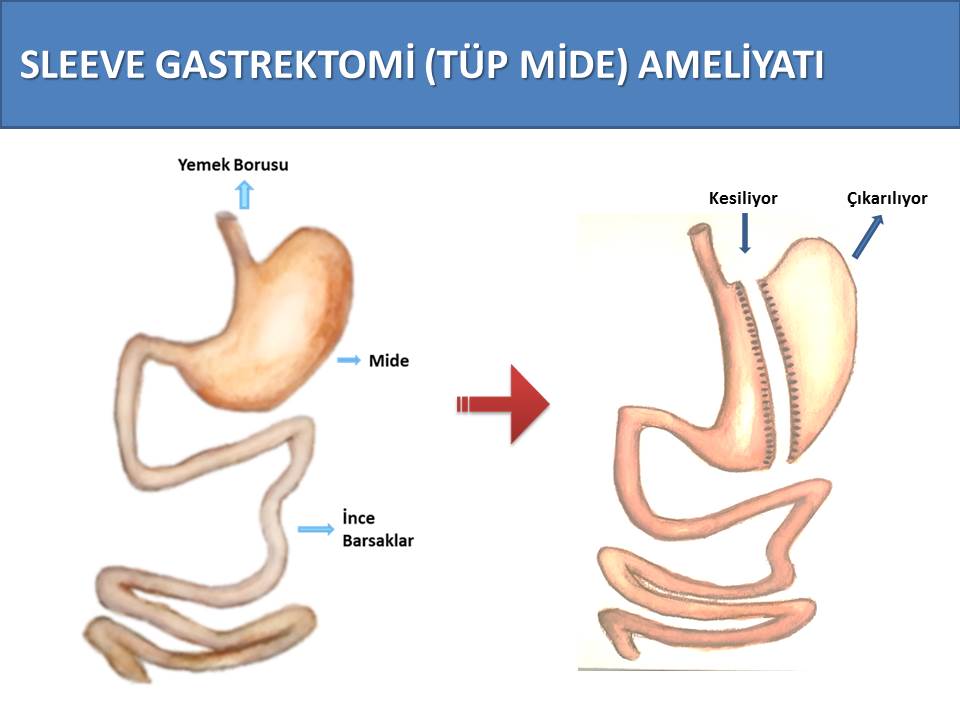
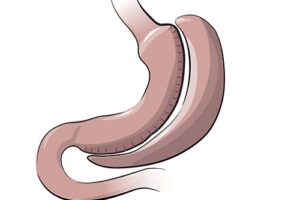
In this surgery, special materials and devices are used while the left side of the stomach is removed. Therefore, a stitch line remains in the stomach. One or more of the stitches may not hold from this suture line after the operation. This is called a fugitive. In short, it can be said that the stitches do not hold and the stitches break.
The causes of these leaks may depend on both the surgeon and the patient. Surgery related reasons are the surgical technique, the materials used and the experience of the surgeon. The reasons belonging to the patient mostly depend on the burden of obesity. In other words, the more weight the patient is, the higher the risk of leakage. Because obesity itself can lead to weakening of the immune system. On the other hand, surgical trauma may cause the wound to heal a little longer and harder. Failure to follow the rules reported to the patient after surgery also creates the risk of leakage.
Leakage risk is around 1%. However, some of the leaks are micro-leaks and most of them heal unnoticed and do not cause any problems. In some of the cases, small abscesses may develop due to these leaks. In these cases, it may be necessary to drain the abscess from the outside (drainage from the wig) and appropriate antibiotic treatment. Even surgery may be required again.
Embolism:
Embolism is usually the presence of a standing clot and it goes elsewhere in the body and clogs the vein somewhere. There is a risk of clots in obese patients, even if they do not have surgery. The risk of embolism that already exists in these patients increases a little more with surgery. However, the risk is considerably reduced by administering blood thinners to the patient before and after the operation, carrying the patient early, using special socks and anti-embolic pump systems in the surgery.
As the weight increases, the risk of embolism increases, but in general, the risk of embolism can be roughly 04% (4 per thousand).